Where Does Asbestos Hide in Your Home?
Asbestos was used in over 3,000 different products. It does not have a distinctive look. The only way to confirm its presence is professional laboratory testing. This guide helps you know which materials deserve extra caution.
Friable: Friable materials release fibers more easily when touched or damaged.
Roof


Asbestos-Cement Roofing Sheets
Era of use: 1930–2000
If intact
Monitor condition annually. Do not power-wash or drill.
If damaged
Do not touch. Contact a certified asbestos removal company.
Before renovation
Professional asbestos inspection required before ANY work on or near these materials.

Roof Felt and Bitumen Underlayment
Era of use: 1940–1980
If intact
If hidden under tiles and intact, no immediate action required. Record location.
If damaged
Do not tear or cut damaged felt. Wet the area before any handling. Contact professional.
Before renovation
All roofing work on buildings built before 1985 should include asbestos survey for felt underlayment.

Asbestos-Cement Corrugated Roofing Sheets
Era of use: 1940–2000
If intact
Do not walk on, drill, or power-wash. Apply sealant coat to reduce surface weathering.
If damaged
Weathered sheets release fibers continuously. Do not sweep or blow debris. Wet and contain.
Before renovation
Removal requires full PPE, wetting, and disposal as asbestos waste. Never break sheets.
Exterior Walls
Asbestos-Cement Roofing Sheets
Era of use: 1930–2000
If intact
Monitor condition annually. Do not power-wash or drill.
If damaged
Do not touch. Contact a certified asbestos removal company.
Before renovation
Professional asbestos inspection required before ANY work on or near these materials.

Asbestos-Cement Flat Sheets
Era of use: 1930–2000
If intact
Do not drill, cut, or abrade. Annual visual inspection recommended.
If damaged
Isolate the area. Do not attempt self-removal. Contact certified asbestos professional.
Before renovation
Mandatory professional asbestos survey before any cutting, drilling, or demolition work.

Expansion Joints and Asbestos Caulk
Era of use: 1940–1980
If intact
Do not pick at, scrape, or remove. If fully encapsulated and stable, monitor annually.
If damaged
Crumbling caulk must be professionally encapsulated or removed. Do not vacuum with standard vacuum.
Before renovation
Window replacement and facade work in pre-1980 buildings must include testing for asbestos caulk.
Walls & Interior Surfaces

Pipe and Boiler Insulation
Era of use: 1920–1980
If intact
Have a professional assess condition. Do not touch or disturb.
If damaged
DANGER: Do not enter area without protection. Contact certified asbestos removal immediately.
Before renovation
Mandatory professional removal before any work in the area.
Asbestos-Cement Flat Sheets
Era of use: 1930–2000
If intact
Do not drill, cut, or abrade. Annual visual inspection recommended.
If damaged
Isolate the area. Do not attempt self-removal. Contact certified asbestos professional.
Before renovation
Mandatory professional asbestos survey before any cutting, drilling, or demolition work.

Joint Compound (Drywall Taping Mud)
Era of use: 1945–1977
If intact
Painted, intact joint compound poses minimal risk. Do not sand or scrape.
If damaged
Crumbling compound must not be disturbed. Wet the area and contact a professional.
Before renovation
ANY sanding of walls in pre-1977 construction must follow asbestos-safe procedures or professional testing first.

Thermal Insulation Board (Marinite / Monokote)
Era of use: 1935–1978
If intact
Do not disturb. High asbestos content makes any damage extremely hazardous.
If damaged
Evacuate area. Do not attempt any cleanup without full PPE and professional guidance.
Before renovation
Mandatory removal by licensed contractor before any adjacent renovation or demolition work.

Spray-Applied Fireproofing (SFRM)
Era of use: 1958–1978
If intact
Restrict access to areas with exposed spray-applied material. Regular inspection required.
If damaged
Immediately restrict area. Contact licensed asbestos abatement contractor. Do not attempt any cleanup.
Before renovation
All structural work in commercial buildings built 1958–1978 requires asbestos survey before proceeding.
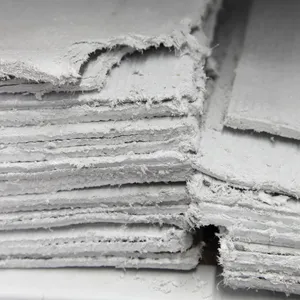
Asbestos Insulating Board (AIB)
Era of use: 1950–1999
If intact
Do not drill, cut, or sand. Even minor disturbance releases significant fiber concentrations.
If damaged
Evacuate and restrict access immediately. This is a licensed contractor job — no DIY options.
Before renovation
AIB is the most frequently encountered high-risk asbestos material in UK/European commercial demolition. Survey required before any work.
Expansion Joints and Asbestos Caulk
Era of use: 1940–1980
If intact
Do not pick at, scrape, or remove. If fully encapsulated and stable, monitor annually.
If damaged
Crumbling caulk must be professionally encapsulated or removed. Do not vacuum with standard vacuum.
Before renovation
Window replacement and facade work in pre-1980 buildings must include testing for asbestos caulk.

Laboratory Bench Tops and Fume Hood Liners
Era of use: 1950–1985
If intact
Do not sand or abrade. Cover damaged surfaces with appropriate sealant until professional can assess.
If damaged
Remove students and staff from area. Contact school facilities manager and asbestos professional.
Before renovation
School laboratory refurbishment must include full asbestos survey before bench removal or modification.
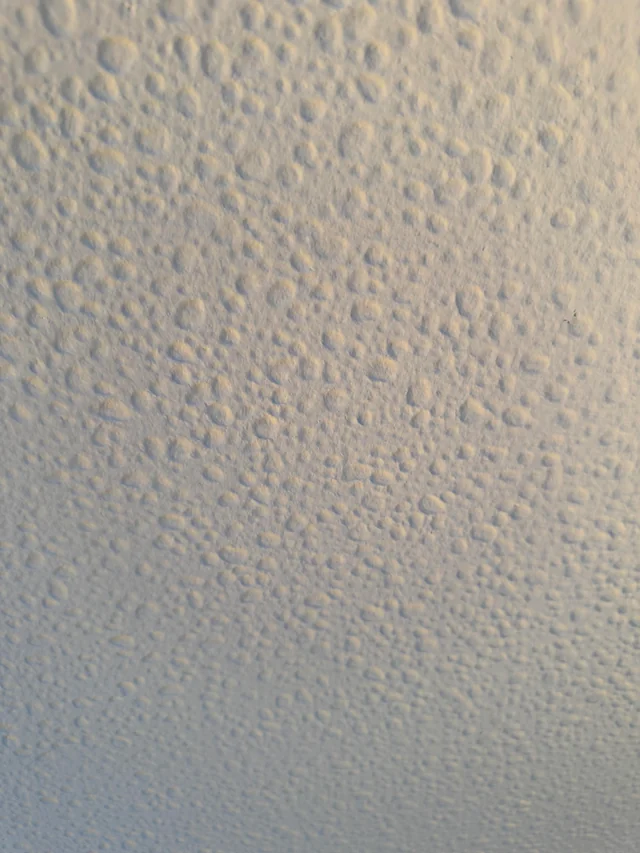
Artex Textured Coating
Era of use: 1960–1999
If intact
If the surface is undamaged and in good condition, leave it in place. Do not sand, drill, or scrape.
If damaged
Do not disturb. Isolate the area and contact a licensed asbestos removal company.
Before renovation
Never attempt to remove old Artex yourself. Professional sampling is the only safe way to confirm asbestos content.
Ceiling


Textured Ceiling Coating (Popcorn Ceiling)
Era of use: 1950–1985
If intact
Do not scrape, sand, or drill into ceiling. Monitor for water damage.
If damaged
Do not disturb. If water-damaged, contain area and contact professional.
Before renovation
Professional testing required before any ceiling work. Never scrape or remove without certified abatement.
Asbestos-Cement Flat Sheets
Era of use: 1930–2000
If intact
Do not drill, cut, or abrade. Annual visual inspection recommended.
If damaged
Isolate the area. Do not attempt self-removal. Contact certified asbestos professional.
Before renovation
Mandatory professional asbestos survey before any cutting, drilling, or demolition work.
Joint Compound (Drywall Taping Mud)
Era of use: 1945–1977
If intact
Painted, intact joint compound poses minimal risk. Do not sand or scrape.
If damaged
Crumbling compound must not be disturbed. Wet the area and contact a professional.
Before renovation
ANY sanding of walls in pre-1977 construction must follow asbestos-safe procedures or professional testing first.

Acoustic Ceiling Tiles
Era of use: 1958–1980
If intact
Do not puncture, break, or disturb tiles. Water damage significantly increases risk.
If damaged
Seal off area. Do not sweep up debris. Contact certified removal company immediately.
Before renovation
All suspended ceiling tiles in commercial buildings built before 1985 should be tested before any overhead work.
Thermal Insulation Board (Marinite / Monokote)
Era of use: 1935–1978
If intact
Do not disturb. High asbestos content makes any damage extremely hazardous.
If damaged
Evacuate area. Do not attempt any cleanup without full PPE and professional guidance.
Before renovation
Mandatory removal by licensed contractor before any adjacent renovation or demolition work.
Spray-Applied Fireproofing (SFRM)
Era of use: 1958–1978
If intact
Restrict access to areas with exposed spray-applied material. Regular inspection required.
If damaged
Immediately restrict area. Contact licensed asbestos abatement contractor. Do not attempt any cleanup.
Before renovation
All structural work in commercial buildings built 1958–1978 requires asbestos survey before proceeding.
Asbestos Insulating Board (AIB)
Era of use: 1950–1999
If intact
Do not drill, cut, or sand. Even minor disturbance releases significant fiber concentrations.
If damaged
Evacuate and restrict access immediately. This is a licensed contractor job — no DIY options.
Before renovation
AIB is the most frequently encountered high-risk asbestos material in UK/European commercial demolition. Survey required before any work.
Artex Textured Coating
Era of use: 1960–1999
If intact
If the surface is undamaged and in good condition, leave it in place. Do not sand, drill, or scrape.
If damaged
Do not disturb. Isolate the area and contact a licensed asbestos removal company.
Before renovation
Never attempt to remove old Artex yourself. Professional sampling is the only safe way to confirm asbestos content.
Floor

Vinyl-Asbestos Floor Tiles (9×9 inch)
Era of use: 1950–1980
If intact
Safe if undamaged. Do not sand, scrape, or remove yourself.
If damaged
Avoid disturbing. Cover with new flooring if possible. Consult professional for removal.
Before renovation
Professional inspection required. Do NOT remove tiles yourself — the adhesive (mastic) may also contain asbestos.

Vinyl-Asbestos Floor Tiles (12×12 inch)
Era of use: 1960–1986
If intact
Do not sand, scrape, or buff aggressively. Cover with new flooring rather than removing.
If damaged
Restrict access to damaged area. Consult licensed asbestos professional before any work.
Before renovation
Both the tiles AND the black mastic adhesive beneath may contain asbestos — test both before any removal.

Floor Tile Adhesive (Black Mastic)
Era of use: 1950–1985
If intact
Do not disturb. If covered by intact tiles, risk is minimal.
If damaged
Do not scrape or sand the black adhesive under any circumstances. Contact asbestos professional.
Before renovation
Even if tiles are asbestos-free, the mastic adhesive beneath tiles installed before 1985 must be tested before removal.
Basement
Pipe and Boiler Insulation
Era of use: 1920–1980
If intact
Have a professional assess condition. Do not touch or disturb.
If damaged
DANGER: Do not enter area without protection. Contact certified asbestos removal immediately.
Before renovation
Mandatory professional removal before any work in the area.

Asbestos Rope and Gaskets (Industrial)
Era of use: 1920–1990
If intact
Wear gloves when handling. Avoid disturbing. Note location for future maintenance records.
If damaged
Do not remove or handle without respiratory protection. Contact professional for replacement.
Before renovation
All industrial equipment maintenance in facilities built before 1990 should assume gaskets may contain asbestos.

Brake Linings and Friction Products
Era of use: 1920–2000
If intact
Avoid blowing out brake assemblies with compressed air. Use wet methods or vacuum with HEPA filter.
If damaged
Do not handle worn brake components without respiratory protection. Dispose of as hazardous waste.
Before renovation
When servicing older vehicles, assume brake and clutch components may contain asbestos. Use wet suppression methods.

Fireproof Blankets and Asbestos Textiles
Era of use: 1920–1985
If intact
Do not shake, fold, or flex old fire blankets. If suspected asbestos, do not use — replace immediately.
If damaged
Handle with extreme care using full PPE. Place in sealed container. Dispose as asbestos waste.
Before renovation
Old fire blankets, curtains, and protective clothing found in industrial settings must be tested before handling.
Utility Room

Pipe and Boiler Insulation
Era of use: 1920–1980
If intact
Have a professional assess condition. Do not touch or disturb.
If damaged
DANGER: Do not enter area without protection. Contact certified asbestos removal immediately.
Before renovation
Mandatory professional removal before any work in the area.
Thermal Insulation Board (Marinite / Monokote)
Era of use: 1935–1978
If intact
Do not disturb. High asbestos content makes any damage extremely hazardous.
If damaged
Evacuate area. Do not attempt any cleanup without full PPE and professional guidance.
Before renovation
Mandatory removal by licensed contractor before any adjacent renovation or demolition work.
Asbestos Rope and Gaskets (Industrial)
Era of use: 1920–1990
If intact
Wear gloves when handling. Avoid disturbing. Note location for future maintenance records.
If damaged
Do not remove or handle without respiratory protection. Contact professional for replacement.
Before renovation
All industrial equipment maintenance in facilities built before 1990 should assume gaskets may contain asbestos.
Brake Linings and Friction Products
Era of use: 1920–2000
If intact
Avoid blowing out brake assemblies with compressed air. Use wet methods or vacuum with HEPA filter.
If damaged
Do not handle worn brake components without respiratory protection. Dispose of as hazardous waste.
Before renovation
When servicing older vehicles, assume brake and clutch components may contain asbestos. Use wet suppression methods.
Asbestos Insulating Board (AIB)
Era of use: 1950–1999
If intact
Do not drill, cut, or sand. Even minor disturbance releases significant fiber concentrations.
If damaged
Evacuate and restrict access immediately. This is a licensed contractor job — no DIY options.
Before renovation
AIB is the most frequently encountered high-risk asbestos material in UK/European commercial demolition. Survey required before any work.
Laboratory Bench Tops and Fume Hood Liners
Era of use: 1950–1985
If intact
Do not sand or abrade. Cover damaged surfaces with appropriate sealant until professional can assess.
If damaged
Remove students and staff from area. Contact school facilities manager and asbestos professional.
Before renovation
School laboratory refurbishment must include full asbestos survey before bench removal or modification.
Fireproof Blankets and Asbestos Textiles
Era of use: 1920–1985
If intact
Do not shake, fold, or flex old fire blankets. If suspected asbestos, do not use — replace immediately.
If damaged
Handle with extreme care using full PPE. Place in sealed container. Dispose as asbestos waste.
Before renovation
Old fire blankets, curtains, and protective clothing found in industrial settings must be tested before handling.
Underground / Water Supply

Asbestos-Cement Water Pipes
Era of use: 1930–1990
If intact
Drinking water risk is low if pipes are intact and not corroded. Test water quality if pipes are aging.
If damaged
Do not cut or drill. Contact utility authority or licensed contractor for assessment.
Before renovation
All underground AC pipe excavation requires licensed asbestos contractor and proper disposal protocols.
Not sure about your building?
Use the Risk Checker to get a personalized assessment based on your country and building age.
Check My RiskMaterial data sourced from EPA and WHO. Presence in any specific building can only be confirmed by professional sampling and laboratory analysis.